THE BONES
26 in each foot
Seven tarsals, five metatarsals and fourteen phalanges. Together your feet hold about a quarter of your bones.
Explore the bones doodlefeet
HOW YOUR FEET ARE BUILT
Your feet carry you thousands of steps a day. Here is what they are made of.

26 BONES in each foot
26 bones · 33 joints In each foot
Each foot has 26 bones, 33 joints and more than 100 muscles, tendons and ligaments, shaped into three arches. This guide explains the parts in plain English and repeats the everyday care basics exactly as NHS sources give them.
Plain English, with the sources linked.
THE SHORT VERSION
Three things worth knowing
about the feet you stand on.
THE BONES
Seven tarsals, five metatarsals and fourteen phalanges. Together your feet hold about a quarter of your bones.
Explore the bonesTHE ARCHES
Medial, lateral and transverse. They absorb force, support the foot and act as a lever when you push off.
How arches workTHE BASICS
Washing, drying, nails and shoes: the everyday basics as NHS sources state them, quoted, not reinvented.
Read the basicsGeneral information only, not medical advice. For advice about your own health, speak to a doctor, pharmacist or other qualified health professional.
BONE EXPLORER
Pick a group to see how many bones it has and where it sits. The counts come from StatPearls, a medical reference hosted by the US National Library of Medicine.
The bar shows each group’s share of the 26 bones in one foot.
FOOT CARE BASICS, AS NHS SOURCES STATE THEM
A Guy’s and St Thomas’ NHS leaflet says to wash your feet daily and not to soak them for more than 10 minutes.
The same leaflet says to dry thoroughly, including between the toes, and not to put cream between the toes.
NHS guidance on ingrown toenails says to cut straight across the nail, not the edges, and not to cut toenails too short.
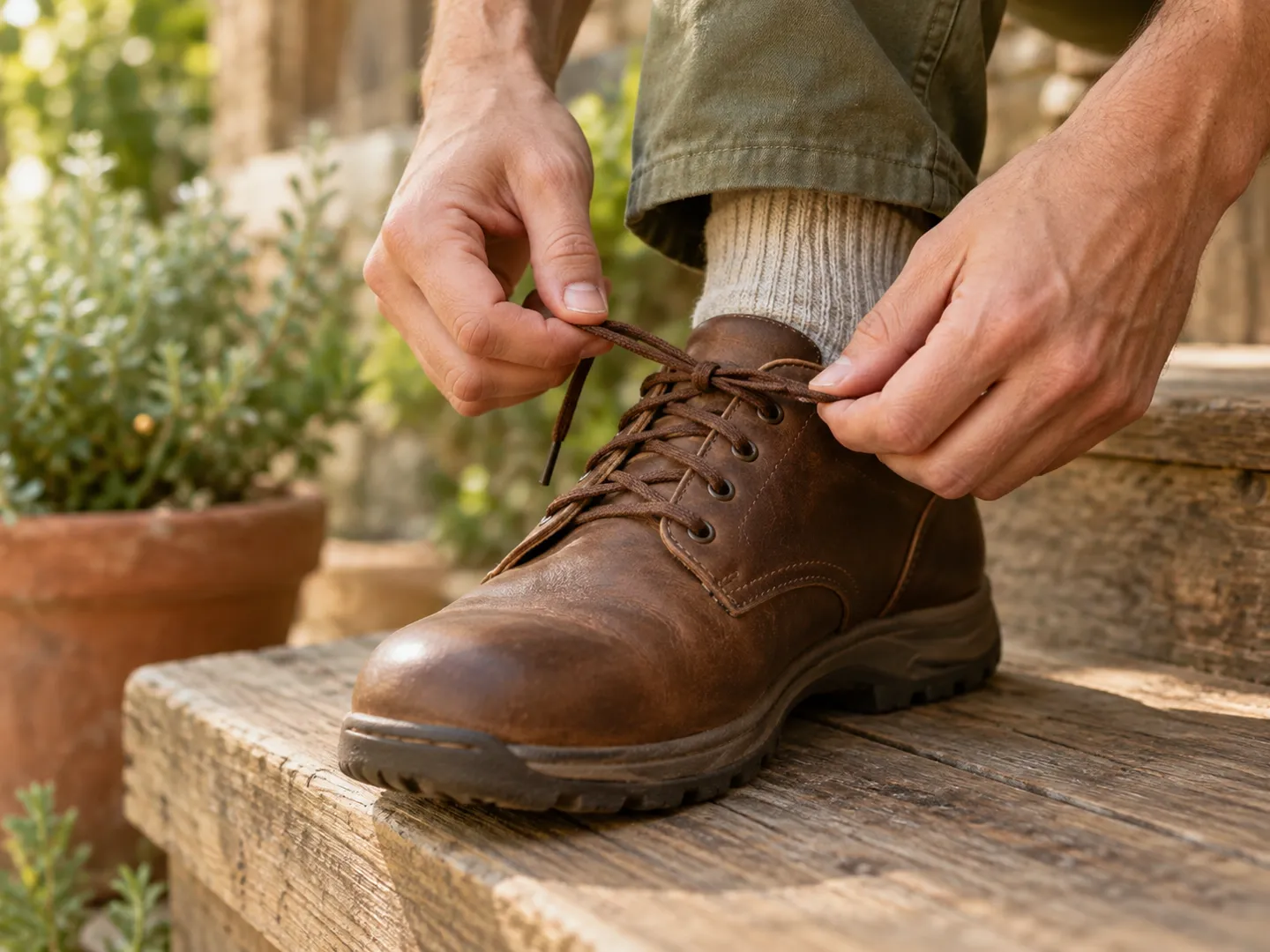
An NHS footwear leaflet gives about 1 cm between the longest toe and the end of the shoe, an adjustable fastening such as laces, and a heel under 4 cm.
TWO NUMBERS WORTH KNOWING
A foot is both a firm platform
and a flexible spring.
26 bones · 33 joints
In each foot
An NHS trust in North Cumbria gives these counts, plus more than 100 tendons, muscles and ligaments per foot, and over 7,000 nerve endings. Both feet together hold about a quarter of the body’s bones.
THE FRAME · NHS
3 arches
Principal arches
The lateral arch is rigid. The medial arch changes shape, which lets the foot adapt to uneven ground. Together the arches absorb force, support the structure and act as a rigid lever during push-off.
THE ARCHES · STATPEARLS
Firm where it needs to push, flexible where it needs to adapt: that combination is what lets the same foot stand still, walk on gravel and climb stairs.
FOOT FACTS
StatPearls lists 7 tarsal bones at the back and middle of the foot, 5 metatarsals in the forefoot and 14 phalanges in the toes.
With 26 bones in each foot, an NHS trust notes that about a quarter of the body’s bones are in the feet.
The NHS says most children have flat feet when young, and arches usually develop on the inner side of the foot between the ages of 3 and 10.
According to the NHS, flat feet usually do not cause problems, should not stop you doing sport or activities, and are rarely a sign of anything serious.
The same NHS trust puts lifetime walking at about 115,000 miles on average: more than four times around the Earth.

QUICK QUESTIONS
Short answers drawn from the sources below. For any foot problem, the NHS pages linked here explain when to get help.
Each foot has 26 bones below the ankle joint: 7 tarsal bones, 5 metatarsals and 14 phalanges in the toes. An NHS trust notes that this means about a quarter of the bones in your body are in your feet.
StatPearls, a medical reference on the US National Library of Medicine site, describes three arches and says they work by absorbing force, supporting structure and acting as a rigid lever when you push off in walking.
According to the NHS, usually not. Most children have flat feet when young and arches usually develop between the ages of 3 and 10. The NHS lists when to see a GP, such as pain, stiffness, numbness, or flat feet that are new or in only one foot.
NHS guidance on ingrown toenails says to cut straight across the nail, not the edges, and not too short. A Guy’s and St Thomas’ leaflet adds cutting every 6 to 12 weeks in a well-lit room and not cutting a “V” shape.
An NHS footwear leaflet from East London NHS Foundation Trust says a shoe should be the right length, width and depth, with about 1 cm between your longest toe and the end of the shoe, an adjustable fastening and a heel under 4 cm.
Updated
A NAME WITH A SPRING IN ITS STEP
doodlefeet.com is part of the DoodleSale portfolio. It isn't in an auction right now, but you can ask about leasing it.